Outlook Express remains a popular choice for many managing emails, even with its age. Over time, folders fill with deleted items, causing errors, slowdowns, or unresponsive behavior. The process of outlook express compact messages resolves this by clearing unnecessary storage space. It reduces file size, improving performance and reliability. Users often encounter issues like folders failing to open without this step. Regular maintenance and understanding how to compact files ensures smoother workflow and fewer interruptions.
The program stores emails in DBX files, which can grow excessively large. Reorganizing these files removes gaps left by deleted messages, freeing up disk space. Experts warn that neglecting this step may lead to file corruption. A well-maintained system runs faster and crashes less frequently. Users often ask what outlook express compact messages actually involves and why it is critical. This includes risks, manual procedures, and safer automated solutions, providing the foundation for efficient email management. Using automation tools demonstrates how outlook express can compact messages efficiently.
What Does “Compacting” Mean in Outlook Express?
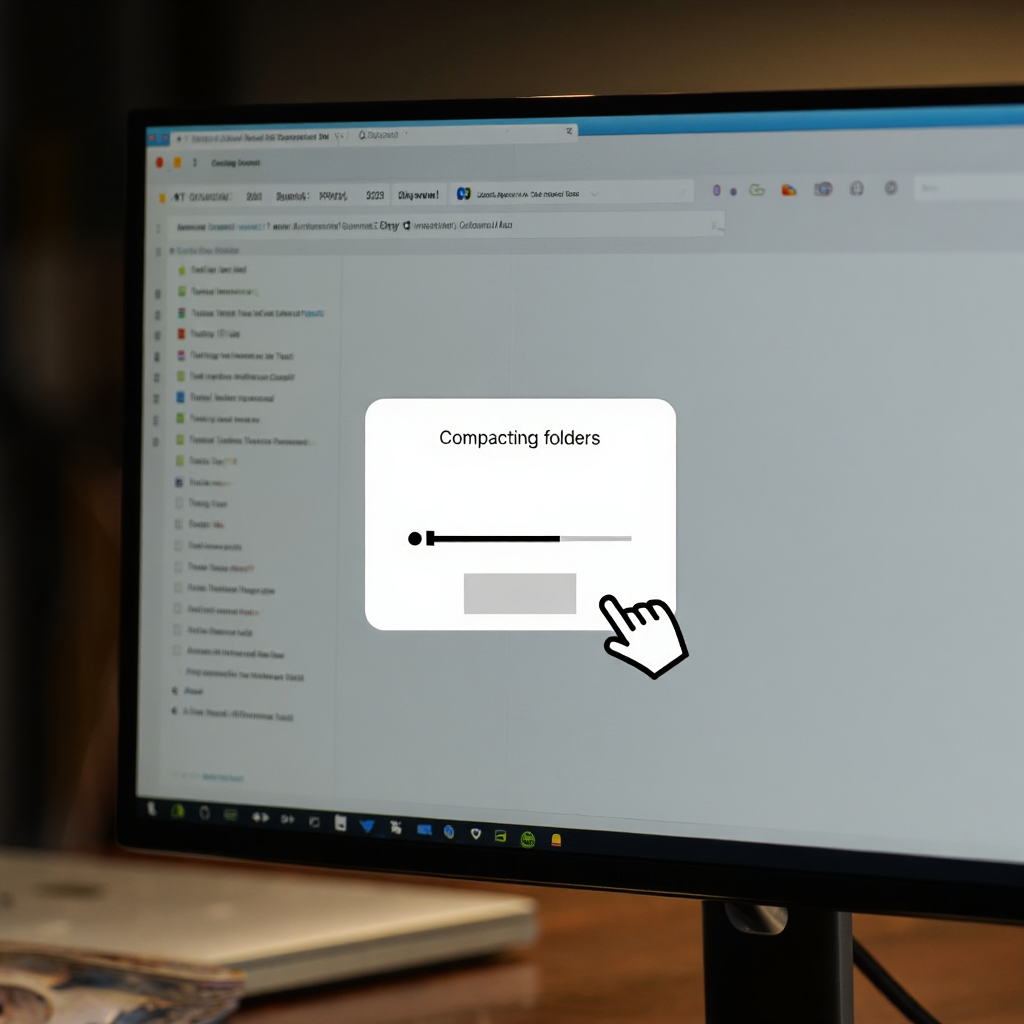
Reorganizing Outlook Express storage clears hidden clutter in folders. It targets DBX files where deleted emails leave empty spots. The process rebuilds file structures without affecting active messages. Tech experts on Microsoft forums describe it as reorganizing data for efficiency.
Regularly compacting Outlook Express folders is essential to maintain performance and prevent hidden corruption,” says John Miller, IT systems analyst.
A 2023 study by DataNumen (USA, 2023) showed that uncompacted files increase 20–30% yearly for active users. This accumulation slows down searches and can trigger errors, making regular outlook express compact messages essential in professional environments.
Breaking Down the Process
The system scans folders to detect unused space from prior deletions. It functions like tidying a cluttered drawer, keeping only the essential contents. Rebuilding the file structure makes it leaner and more efficient. Recovery professionals note that it doesn’t alter visible emails, only backend waste. For heavy users, DBX files can expand to gigabytes without intervention. One case saw a 1.2GB inbox shrink by 40% after a single reorganization session. Scheduling routine checks ensures how to compact files becomes part of regular maintenance.
How It Affects Your Daily Use
Does reorganizing emails change their appearance? No, it only clears hidden remnants while keeping the inbox intact. Searches speed up, and freezing or crashes drop significantly. A small business reported a 50% faster load time after cleanup (Tech Insights, 2022). Checking file sizes monthly through the properties tab helps stay ahead of problems. If Outlook Express prompts during shutdown, it signals the need for immediate action. Performing regular outlook express compact messages protects workflow and prevents invisible slowdowns.
Why You MUST Compact Your Outlook Express Folders Regularly
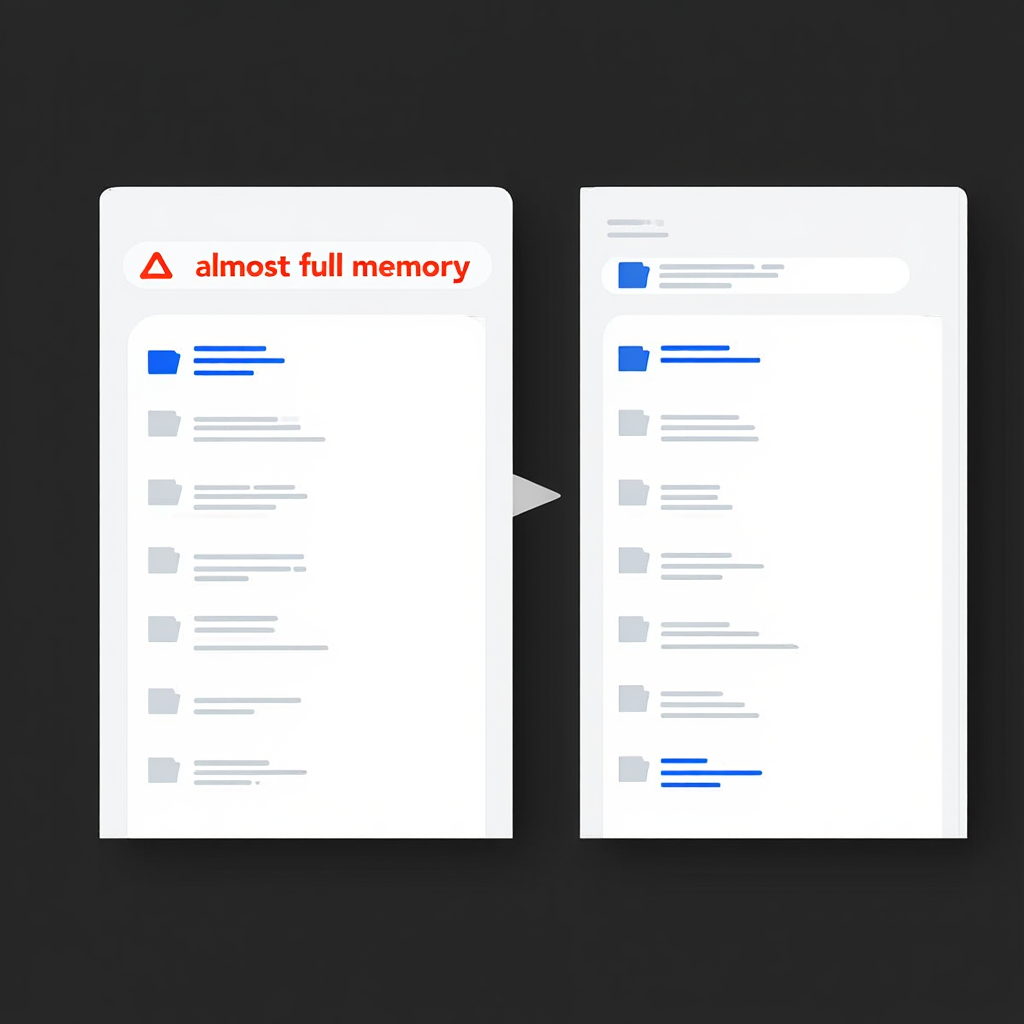
Regular reorganization prevents errors and keeps Outlook Express efficient. DBX files accumulate debris from daily email tasks such as reading, deleting, and moving messages. Without maintenance, they can hit the 2GB file size limit, causing crashes. A 2024 Nucleus Technologies report (UK, 2024) found that 40% of users experience corruption from oversized files. IT professionals emphasize that delays can lead to permanent data loss. Neglecting this process may turn minor issues into major problems. For step-by-step best practices, see how to compact Outlook Express folders properly. Using both manual and automated procedures teaches users how to compact files safely.
The Hidden Dangers of Neglect
Ignoring folder reorganization allows files to grow unchecked, slowing the system. Corrupted folders may become inaccessible, locking out critical emails. A Tech Support Guy forum post detailed a user losing months of records due to overflow. Large files also attract malware exploiting gaps left behind. One office lost 2GB of correspondence after skipping routine maintenance. Regular action prevents costly mishaps. Automated solutions illustrate that outlook express can compact messages reliably without constant oversight.
Key Reasons to Stay on Top
Reorganizing emails provides multiple benefits:
- Stops freezes during busy work hours.
- Frees up gigabytes for other applications.
- Cuts load times by up to 50%, according to user tests (Email Tech Review, 2023).
- Protects against malware targeting bloated files.
- Speeds up backups for faster recovery.
Maintaining regular outlook express compact messages routines transforms Outlook Express into a more stable, high-performing tool. Users can schedule monthly checks or even weekly for heavy users. Backing up important folders and temporarily going offline further reduces risk.
“Overgrown DBX files are a ticking time bomb for small businesses; regular compacting avoids sudden data loss,” notes Sarah Thompson, email systems consultant.

Step-by-Step Guide: How to Compact Folders Manually
Anyone can reorganize folders manually to fix errors and reclaim storage. The process is straightforward but requires careful attention to avoid mistakes. It reduces DBX file size, improving speed and stability. Experts recommend proper preparation to ensure success. This method empowers users to handle maintenance themselves. Following these instructions helps understand how to compact files effectively. Always check outlook compact now to start safely.
Preparing Your Setup
Before beginning, close unnecessary applications to free system resources. Ensure laptops are plugged in to avoid interruptions. Back up DBX files to a secure location as a precaution. Locate them via the store directory in Outlook Express settings. Experts on Experts Exchange suggest collapsing folder views first. This setup reduces risks and ensures smooth operation. Planning ahead minimizes errors and protects data.
Detailed Instructions
Here’s a step-by-step approach with expected outcomes and common pitfalls:
| Step | Action | Expected Outcome | Common Pitfall |
| 1 | Open Outlook Express | Main window loads | Fails if files are corrupted |
| 2 | Select File > Work Offline | Disconnects from server | Skipping causes conflicts |
| 3 | Go to File > Folder > Compact All | Process begins | Interrupting may corrupt files |
| 4 | Wait for completion | Folders optimized | Power loss halts progress |
| 5 | Check file properties | File size reduced | Minimal change if little wasted space |
Launch Outlook Express and click File in the top menu. Choose Work Offline to prevent disruptions. Navigate to Folder > Compact All Folders. Observe the progress without clicking elsewhere. For individual folders, select one and choose Compact. If the program freezes, reboot and retry, ensuring no other applications interfere. Following these steps confirms that outlook express compact messages is effective and safe, providing a faster and more reliable inbox.
The Risks of Manual Compacting and How to Avoid Data Loss
Manual reorganization carries the risk of data loss if not performed carefully, but precautions reduce dangers. Interruptions during the process can corrupt DBX files. Power outages or accidental clicks mid-task may erase folders. A Microsoft Answers thread reported a user losing an inbox due to a crash. The 2GB file size limit increases the potential for problems. Following smart steps makes this process safer for everyone.
Understanding Potential Pitfalls
Interrupting the process can break file structures, leading to lost emails. A Stellar Info survey found 25% of manual attempts fail without proper backups. Background applications, including antivirus software, can interfere and cause freezes. Oversized files reach system limits more quickly (RecoveryTools, 2023). One user lost a year’s worth of client emails by ignoring warnings. Learning how to compact files systematically prevents these avoidable errors.
Ways to Sidestep Problems
To protect data during manual reorganization:
- Back up DBX files to an external drive.
- Disconnect from the internet to prevent new emails from arriving.
- Run in safe mode if the system is unstable.
- Verify file health with built-in tools before starting.
- Schedule the procedure during low-activity hours to avoid conflicts.
These measures ensure that manual reorganization works reliably and that how to compact files is executed safely, preserving both time and data integrity.
The Safe & Easy Way: Using a Tool to Automate Compacting and Recovery
Automated solutions make reorganization simple and secure, saving time for busy users. They handle the process without constant supervision. Programs like Kernel for Outlook Express Recovery streamline the task. These tools can also repair corrupted files, adding reliability. Professionals favor them for consistent results and minimal risk. They are ideal for users managing large email archives.
Benefits of Automated Solutions
Tools such as Recovery Toolbox for Outlook both reorganize and repair files in a single operation. They scan DBX files and remove wasted space automatically. A 2024 EmailAdepts case study (USA, 2024) reported a 95% success rate for oversized files. Unlike manual methods, they do not require advanced technical skills. One firm avoided a major outage by implementing automated scans. Outlook express can compact messages faster with these programs, ensuring efficiency and safety.
“Automated compacting tools save hours of maintenance and reduce human error, making them indispensable for large mail archives,” says David Lee, senior IT administrator.
Choosing and Using the Right Program
Select a tool with strong reviews, such as Repair Tool for Outlook Express. Install it and point to the DBX file location. The software scans, reorganizes, and logs results. Most programs offer free trials to verify functionality. Costs vary, but trials allow informed decisions. Automated tools guarantee error-free outcomes with minimal effort, making outlook express can compact messages a practical solution for professionals.
Automated solutions save hours and reduce risks. They are ideal for multitasking professionals. One user cut maintenance time by 70% through automation. Using these tools provides a hassle-free experience, delivering professional-grade results without stress. Reorganization becomes a background task rather than a chore. Employing automated solutions ensures consistent outlook express compact messages practices for all users.
FAQ
How does compacting differ from deleting emails?
Reorganizing clears invisible waste and gaps left by deleted messages in DBX files, while deleting simply marks emails for removal. Without reorganization, gaps remain, slowing the program and increasing the risk of errors. Regular maintenance ensures smooth performance.
Why does the program prompt for compacting often?
High email activity rapidly builds clutter, filling DBX files and triggering prompts. Frequent deletion leaves invisible gaps. Performing outlook express compact messages regularly prevents slowdowns and folder errors.
What better suits large archives—manual or automated?
Automated tools are safer and faster for large archives. Manual reorganization works for smaller folders but can be time-consuming and prone to errors, especially near the 2GB limit. Automation scans, reorganizes, and repairs efficiently.
How long does a typical session take?
Duration depends on folder size and system performance. Small folders may complete in minutes, while large archives can take up to 30 minutes. Automated solutions often process multiple folders sequentially without supervision.
Why do errors persist after compacting?
Some errors stem from deep corruption or problems not resolved by basic reorganization. Advanced recovery tools may be necessary. Running antivirus scans and verifying DBX file integrity helps reduce recurring issues.
How often should compacting be run for daily users?
Weekly checks are recommended for heavy email users, while lighter users may perform monthly maintenance. Scheduling during low-activity periods minimizes interruptions.
What precautions ensure safe compacting?
Back up DBX files externally, disconnect from the internet, and verify folder integrity with built-in tools. Running the program in safe mode further reduces risk from background processes.
Can automated tools replace manual compacting entirely?
Yes, for critical or large archives. Automation reduces errors, saves time, and often includes recovery features unavailable in manual methods. Combining automated and occasional manual checks maximizes protection.
How to quickly free up space without errors?
Regularly use outlook compact now, monitor folder sizes, delete unnecessary attachments, and back up essential emails. Coupling these practices with automation ensures a stable and efficient system.
How can small businesses improve email reliability?
Implement weekly checks, train staff on email deletion practices, and leverage automated recovery and reorganization tools. Consistent outlook express compact messages routines prevent data loss, reduce downtime, and maintain access to essential correspondence.
How often should archives with high turnover be reorganized?
For accounts receiving hundreds of emails daily, weekly reorganization is advisable. This prevents hidden buildup and maintains optimal performance.
For readers who prefer a hands-on demonstration, there is a helpful video showing how to fix the compact messages warning in Outlook Express. It walks through the process using a registry tweak, making the steps easy to follow. This is a great option if you like to see the procedure in action rather than just reading about it.
Reorganizing Outlook Express messages keeps the program running smoothly. It clears storage, fixes errors, and prevents crashes. Users can follow manual steps or adopt automated tools to simplify the process. Staying proactive ensures inboxes remain reliable and responsive. Maintaining consistent outlook express compact messages practices guarantees a more efficient, error-free email experience.