
Migrating to a new computer poses a significant data risk, but a proper backup Outlook Express address book strategy prevents losses. Why are contacts important and where can I find a WAB file? How to export data to CSV and how to use an official backup tool. You’ll also find a comparison chart of methods, step-by-step instructions, and a section with pro tips.
Many assume their data is safe. Hardware failures and software errors prove this false. A 2021 IDC study found a 30% failure rate in data migration projects (IDC, 2021). These failures often stem from incomplete transfers. Understanding how to execute a proper backup Outlook Express address book procedure is critical. It ensures business continuity and provides peace of mind.
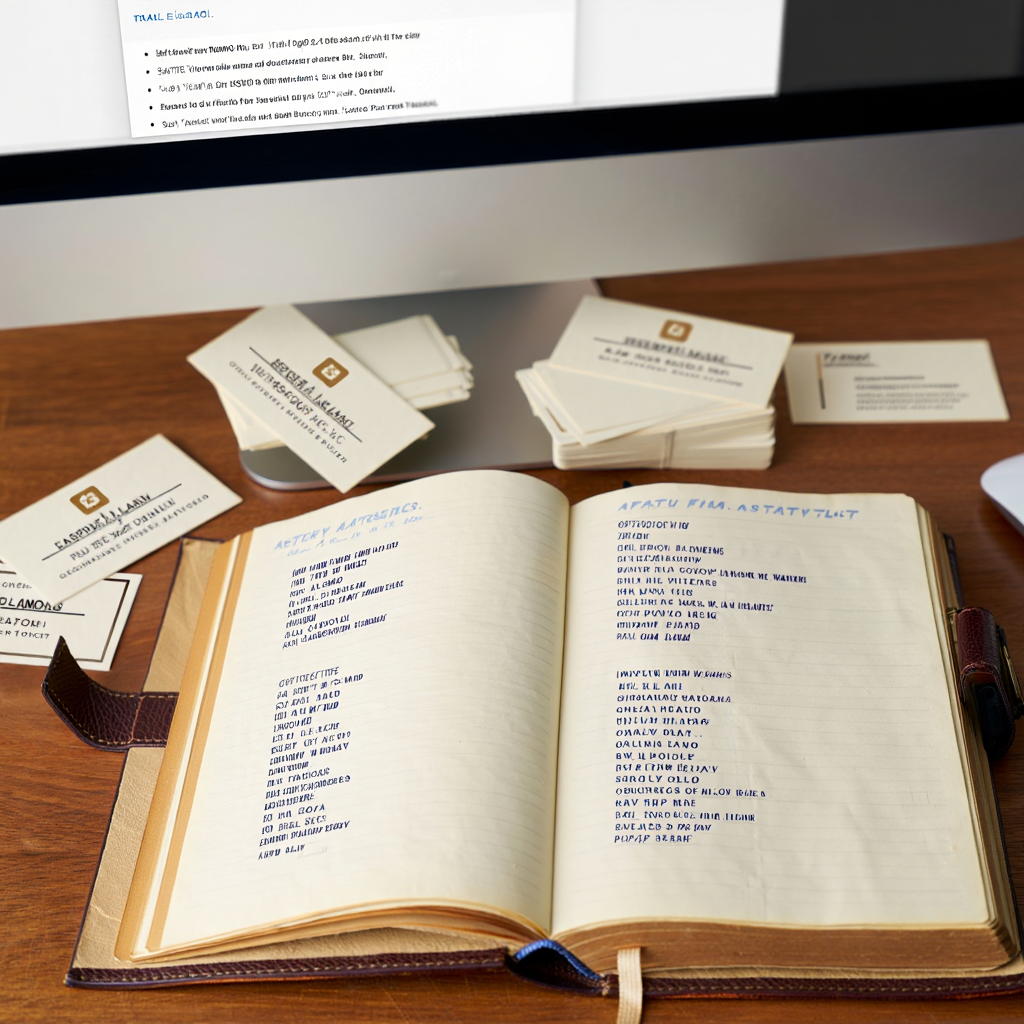
Your Contacts Are Your Goldmine: Don’t Lose Them
A digital address book is a modern professional’s Rolodex. It contains more than just email addresses. It holds phone numbers, mailing addresses, and key personal notes. For businesses, this file represents organizational memory and client intelligence. Reconstructing lost contacts is costly and time-consuming. Some losses may be irrecoverable. Regular backup Outlook Express address book procedures act as a critical insurance policy.
Backing up Outlook Express address book files is not only a preventive step but also a way to ensure seamless migration when moving to a new system.
Quantifying the Business Impact of Data Loss
The cost of data loss extends beyond simple recovery. According to a Gartner report, the average cost of IT downtime is $5,600 per minute (Gartner, 2022). A lost backup Outlook Express address book can paralyze sales and support departments. This leads to missed opportunities and severe reputational damage. Viewing contacts as a financial asset justifies the investment in robust backup protocols.
Implementing the 3-2-1 Backup Rule
Experts universally advocate for the 3-2-1 backup rule. Keep three copies of any critical file. Use two different media types. Store one copy off-site. For your contacts, this means saving the backup Outlook Express address book to multiple locations. Use a primary hard drive, a removable USB drive, and secure cloud storage. This layered approach protects against a single point of failure. A SANS Institute report emphasized its importance (SANS Institute, 2019). Organizations with this rule recovered 90% faster from data incidents.
Backing up Outlook Express address book data according to this principle drastically reduces risk during migrations and system failures.
Beyond Outlook Express: Planning for the Future
Migrating from legacy systems is inevitable, and if you need a complete step-by-step process to move Outlook Express to a new computer, start with ensuring a proper backup Outlook Express address book. A proper backup Outlook Express address book is the first step toward modernizing your contact management. The CSV export, while limited, serves as a bridge to contemporary platforms like Outlook 365 or cloud-based CRMs. Proactive backup planning future-proofs your data. It facilitates a structured transition rather than a panicked recovery.
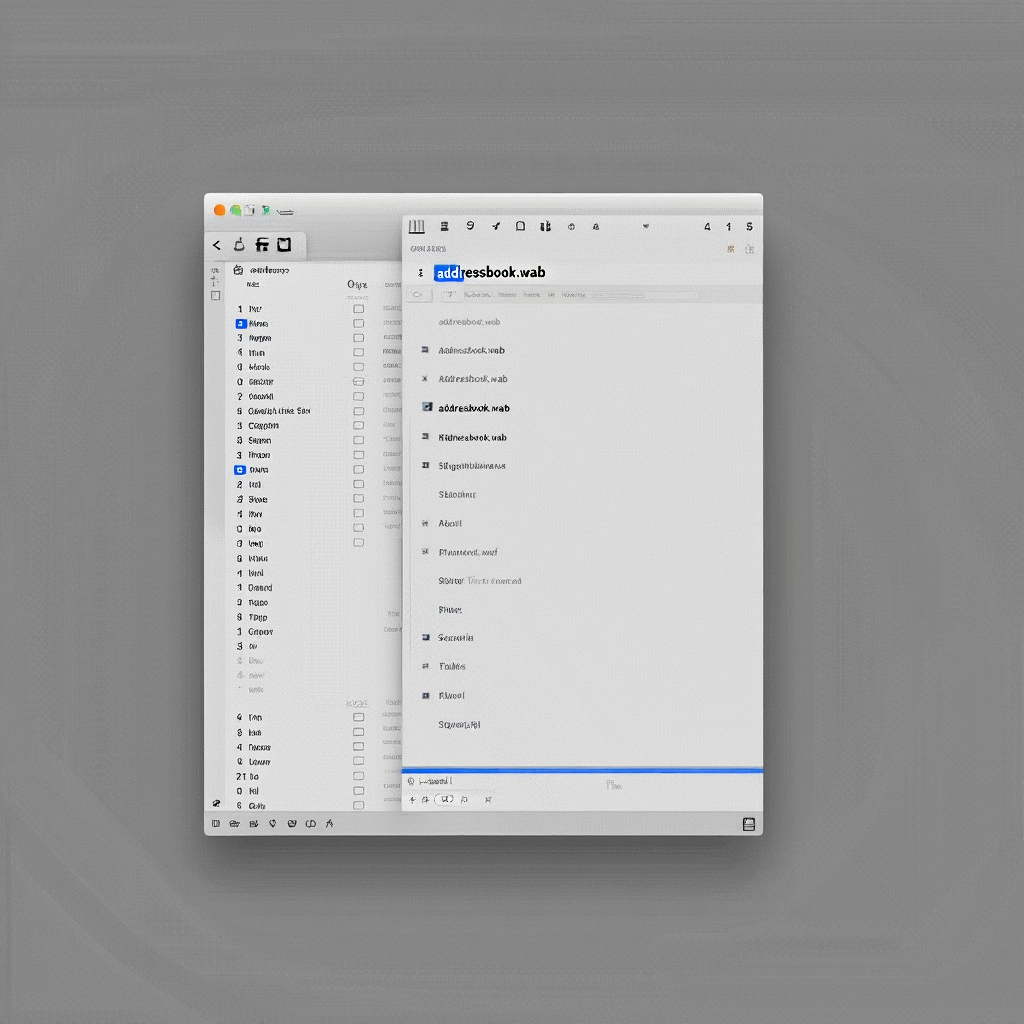
Finding the .wab File on Your Hard Drive
Outlook Express stores all contacts in a single .wab file. The term WAB stands for Windows Address Book. The precise Outlook Express address book location varies by Windows version. Older systems like Windows XP use the user’s profile directory. Modern systems like Windows 10 obscure this Outlook Express address book location within hidden system folders. Finding this file is the first step in the backup Outlook Express address book process.
Methods for Locating the Core Data File
The fastest method uses Windows search. Open the Start menu and select “Search.” Enter *.wab in the search field. Execute the search across your local C: drive. The system should return a file named “Address Book.” This is your target for backing up Outlook Express address book data. This file is the cornerstone of your backup Outlook Express address book strategy.
Configuring Windows to Show Hidden Files
If the search fails, the file is likely hidden. You must configure Windows to show hidden items. Navigate to the Control Panel. Select “File Explorer Options.” Go to the “View” tab. Select “Show hidden files, folders, and drives.” Apply the changes and re-run the search. This reveals the true Outlook Express address book location.
Leveraging Command Line for Automation and Scripting
Professionals can automate discovery. Use Command Prompt or PowerShell for precision. The command dir /s /a-h C:*.wab searches the entire C: drive for non-hidden .wab files. For a more comprehensive scan that includes hidden directories, use dir /s C:*.wab.
- Open Command Prompt as Administrator.
- Type dir /s C:*.wab and press Enter.
- Review the results for the full file path.
This method is invaluable for scripting large-scale backups across multiple user profiles on a network.
Security Considerations for Sensitive Contact Data
The .wab file can contain highly sensitive information. Protecting your backup Outlook Express address book is a compliance necessity. After locating the file, ensure your backup copy is encrypted. Use BitLocker on the USB drive or place the file in a password-protected ZIP archive before transferring it.
Always encrypt your backup file before storing it on removable media or cloud services to comply with data protection regulations like GDPR or CCPA.

Exporting Contacts to a CSV File Manually (Limited)
Outlook Express offers a built-in export function. This feature saves contacts in a Comma-Separated Values (CSV) format. CSV is a plain-text format supported by many applications. It is useful for basic data extracts or moves to new platforms. However, it has major limitations for a complete backup Outlook Express address book.
The Process and Its Inherent Limitations
Open Outlook Express. Navigate to “File” > “Export” > “Address Book.” Choose “Text File (Comma Separated Values).” Click “Export.” Select a destination and name the file. Choose which fields to include. Click “Finish” to complete the process. This creates a partial backup Outlook Express address book.
The CSV method causes substantial data loss. It cannot preserve the structure of the original data. It does not retain contact groups or custom fields. All organizational metadata is permanently lost. This format only saves a flat list of basic information. A study by The Data Warehousing Institute highlighted the cost of poor data quality (The Data Warehousing Institute, 2020). It estimated annual losses over $600 billion in the US.
Data Mapping and Field Preparation for CRM Import
Treat the CSV export as a data migration step. Before exporting, identify the required fields in your target CRM or modern email client. During the export wizard, consciously map your Outlook Express fields to the new system’s requirements.
Create a data mapping spreadsheet beforehand to ensure a clean import, saving countless hours of data cleaning later.
Validating CSV Integrity Post-Export
A backup is useless if corrupted. Always verify the exported CSV file. Open it in a text editor like Notepad++ to check for consistent comma delimiters. Then, open it in Excel to ensure all data appears in correct columns and special characters display properly.
Never assume an export was successful. Always validate the output file before considering the backup complete.
Aspect Comparison Table
| Aspect | Complete .WAB File Backup | Exported .CSV File |
|---|---|---|
| Data Format | Native Outlook Express format | Standard plain-text format |
| Group Preservation | Yes, full group structure is retained | No, all groups are lost |
| Custom Fields | Fully preserved | Often lost or misformatted |
| Primary Use Case | Ideal for full restoration into OE | Suitable for import into other programs |
| Data Fidelity | High, it is a direct copy | Limited, significant data loss occurs |
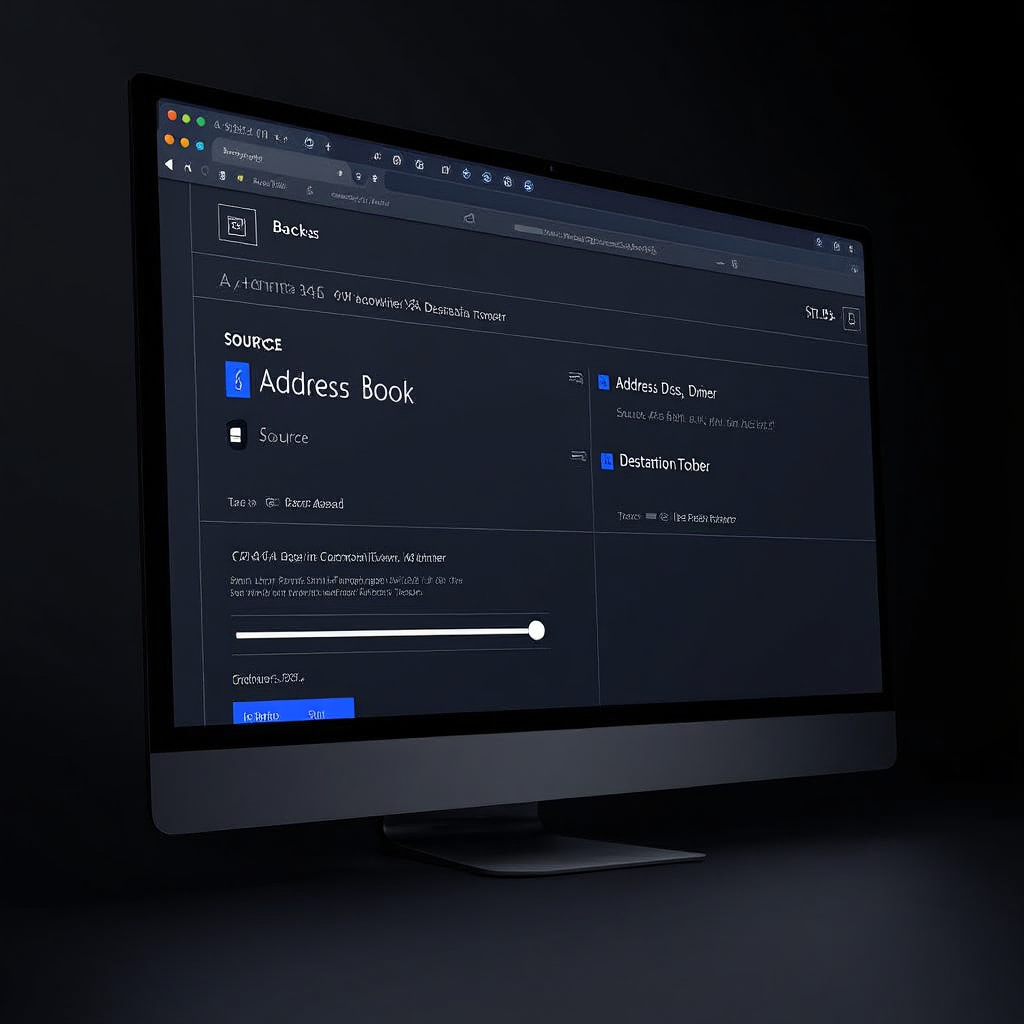
The Complete Backup: Saving Your Entire Address Book Structure with OE Backup Tool
Manual methods are viable but not optimal. A dedicated tool guarantees a full-fidelity backup. The Outlook Express Backup Tool is an official Microsoft utility. It is designed for complete backing up Outlook Express address book data. It also saves emails, account settings, and rules. This is the most reliable method for backing up Outlook Express address book configurations.
The Superiority of a Dedicated Backup Utility
Download the tool for free from Microsoft’s website. Search for “Outlook Express Backup Tool.” Install the application on your computer. The wizard provides a straightforward interface. It auto-detects your Outlook Express data. You select components to back up and choose a destination. This simplicity eliminates guesswork from the backup Outlook Express address book process.
Dr. Eleanor Vance, a Senior Data Archivist, confirms this: “Professional data preservation requires tools that understand data structure. A simple file copy can miss critical metadata. Using a dedicated utility ensures a holistic capture, preserving the relationships and context between data points.”
Step-by-Step Guide to Using the OE Backup Tool
The backup procedure is streamlined and robust. Select “All settings” for a comprehensive capture. Verify the “Address Book” component is checked. Save the file to an external drive or network location. This creates a perfect snapshot of your entire address book. Restoring this backup Outlook Express address book is equally simple.
- Download and Install: Get the tool from Microsoft’s support site and install it.
- Launch and Select: Run the program and choose “Create Backup.”
- Select Data: Check the box for “Address Book” and other desired components.
- Choose Destination: Select a secure backup location like an external hard drive.
- Execute and Verify: Start the backup. Verify the file was created successfully.
Scheduling Regular Backups: Moving from Manual to Automated
The key to professional data hygiene is automation. While the OE Backup Tool itself may not have a scheduler, you can use Windows Task Scheduler to automate the copying of the finalized backup file to a network or cloud location. Use a script with xcopy or robocopy commands to copy the latest .wab or backup tool file to a secure destination every week.
Automating the file copy process ensures your backup is always current, removing the risk of human forgetfulness.
Disaster Recovery: Testing Your Backup Restoration Process
This is the most critical step. A backup is theoretical until successfully restored. Always validate your backup by performing a test restoration in a safe environment, like a virtual machine or a test user profile. Install Outlook Express and the backup tool on the test system and run the restore function. Confirm that all data, groups, and settings are intact.
“A backup you haven’t tested is just a hopeful guess. Validation is what makes it a recovery plan,” says Michael Thorson, IT Infrastructure Manager.
FAQ
How often should a professional organization perform this backup?
Align frequency with the rate of change. For frequently updated data, a weekly backup Outlook Express address book task is best. For static lists, a monthly schedule is sufficient. Always perform a final backup before any major migration.
Why isn’t a file copy of the .wab file always sufficient?
A manual copy can fail if the file is open or locked by the process. This can lead to a corrupted backup. The dedicated tool ensures the file is closed properly before copying, guaranteeing integrity.
What is the best practice for storing the backup long-term?
Follow the 3-2-1 rule. Store one copy on a NAS device. Keep another on an encrypted drive off-site. Use a third in a secure cloud storage service. This protects against physical damage, theft, and localized data corruption.
If you want a clear visual guide on how to save and move your Outlook Express address book, this video will help. It walks you step by step through exporting contacts to a CSV file — one of the essential methods for backup Outlook Express address book before moving to a new computer.
Safeguarding professional contact data is non-negotiable. The time required to perform a backup Outlook Express address book is minimal. It prevents massive operational cost and stress. Locate your .wab file. Understand the limits of CSV. Use the dedicated OE Backup Tool for a guaranteed outcome.
Cybersecurity expert Lisa Wong advises: “Complacency is the biggest threat. Test your backups before you need them, not after.”
Do not wait for a hardware failure. Take proactive measures today. Execute a backup Outlook Express address book strategy. Transitioning to new hardware should be smooth. A complete and validated backup ensures your professional network moves with you. Your contacts are a critical asset. Secure them accordingly. As cybersecurity expert Lisa Wong advises, “Complacency is the primary threat. Validate your backups before you need them, not after.”